Osa & Golfo Dulce.
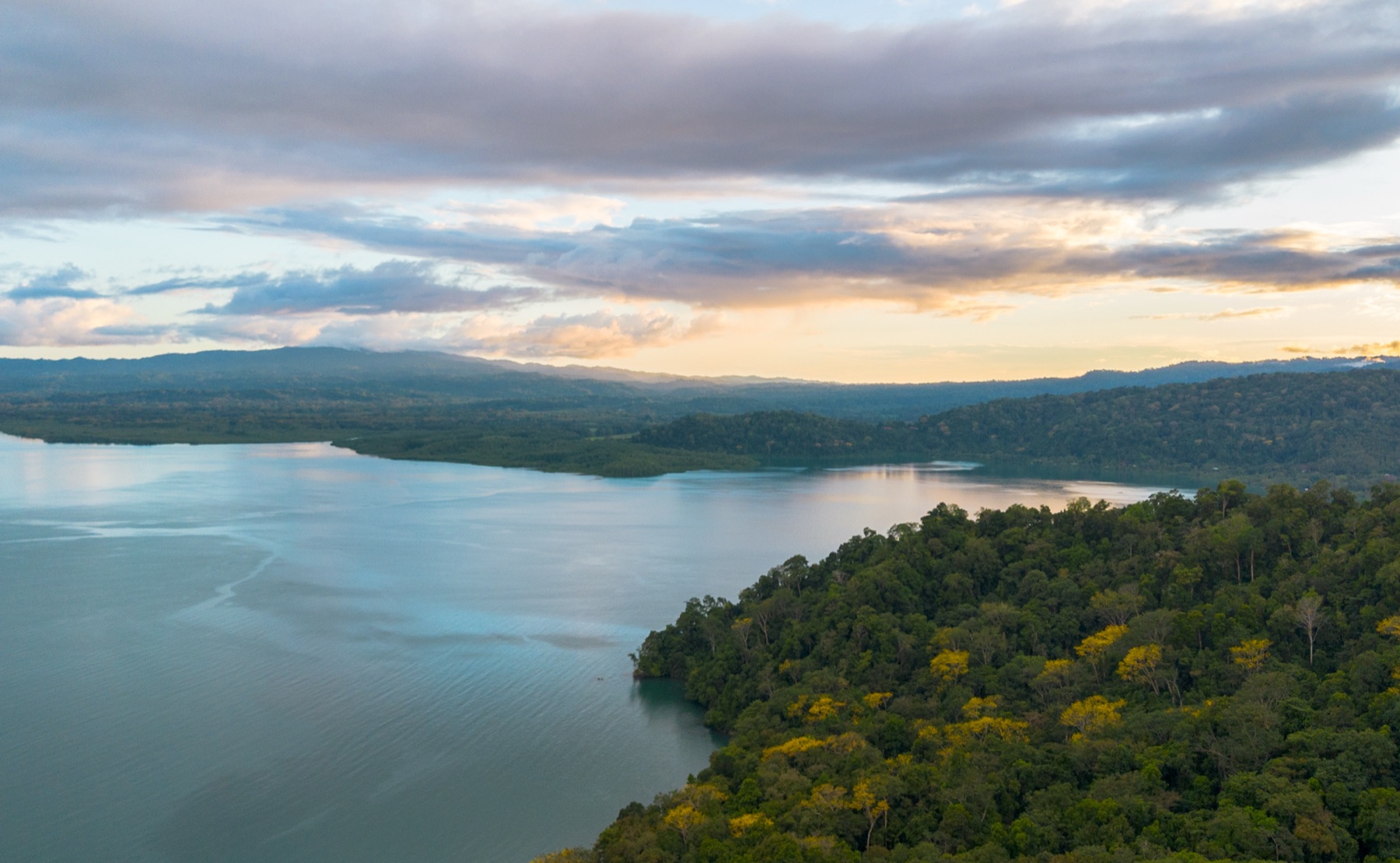
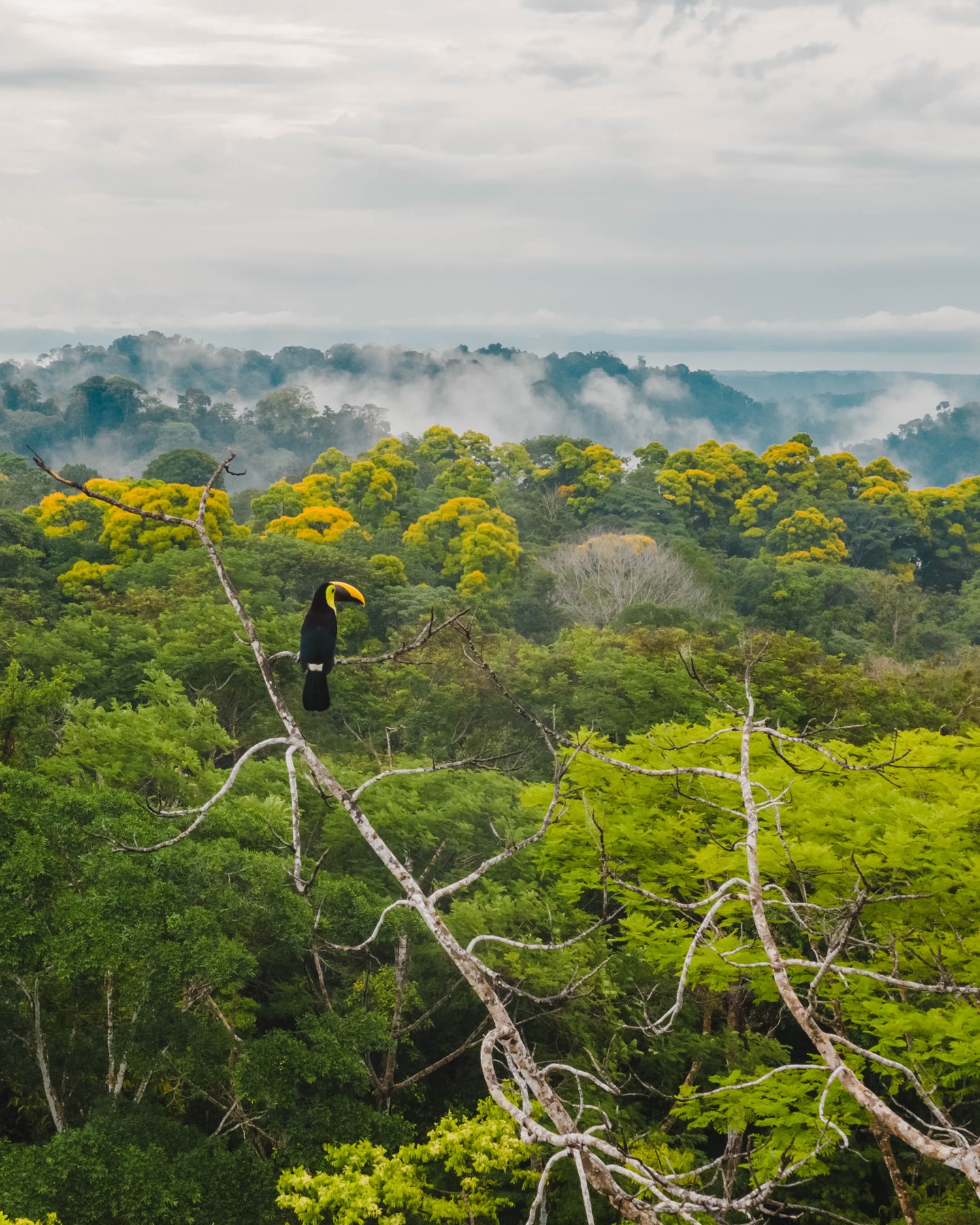
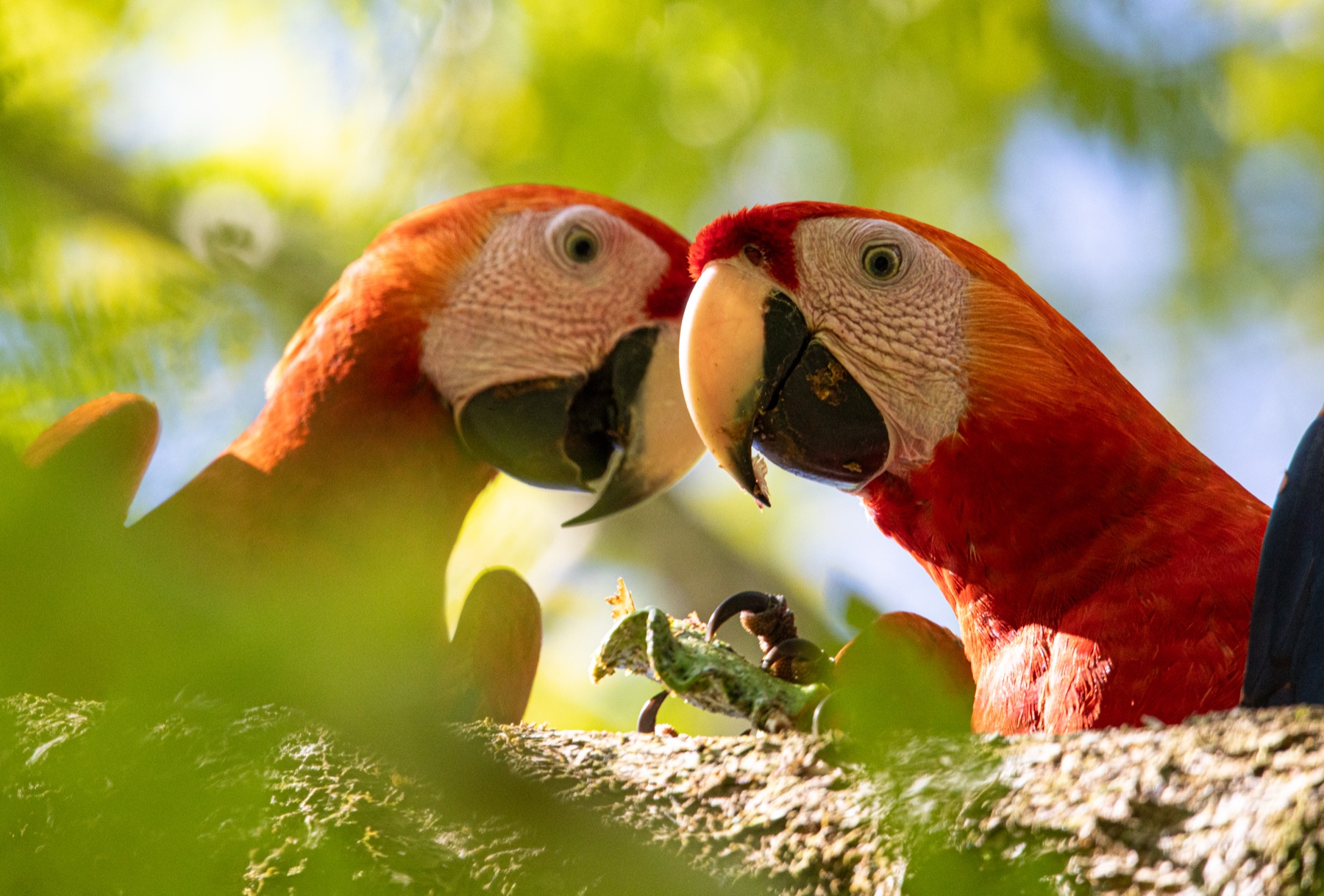
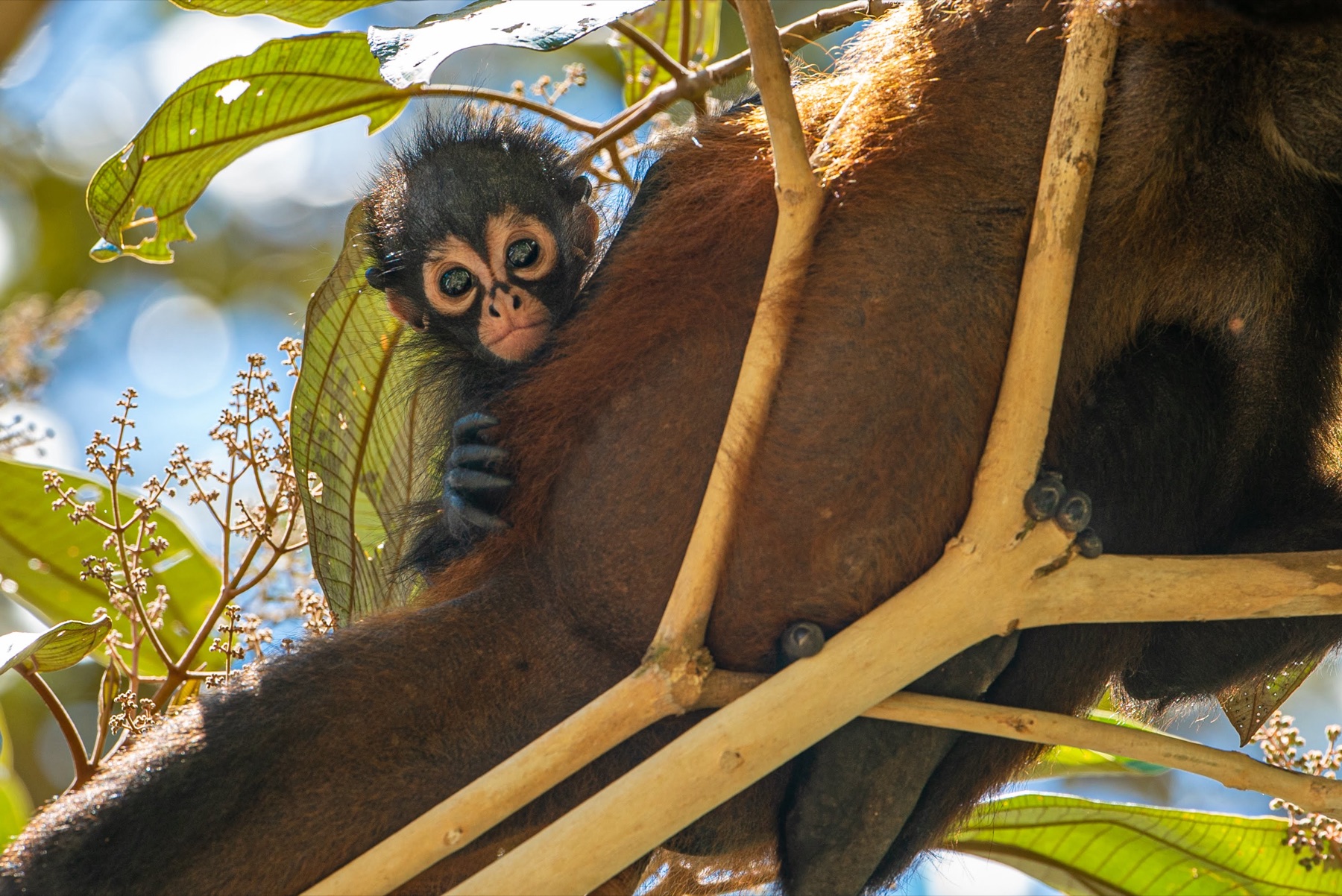
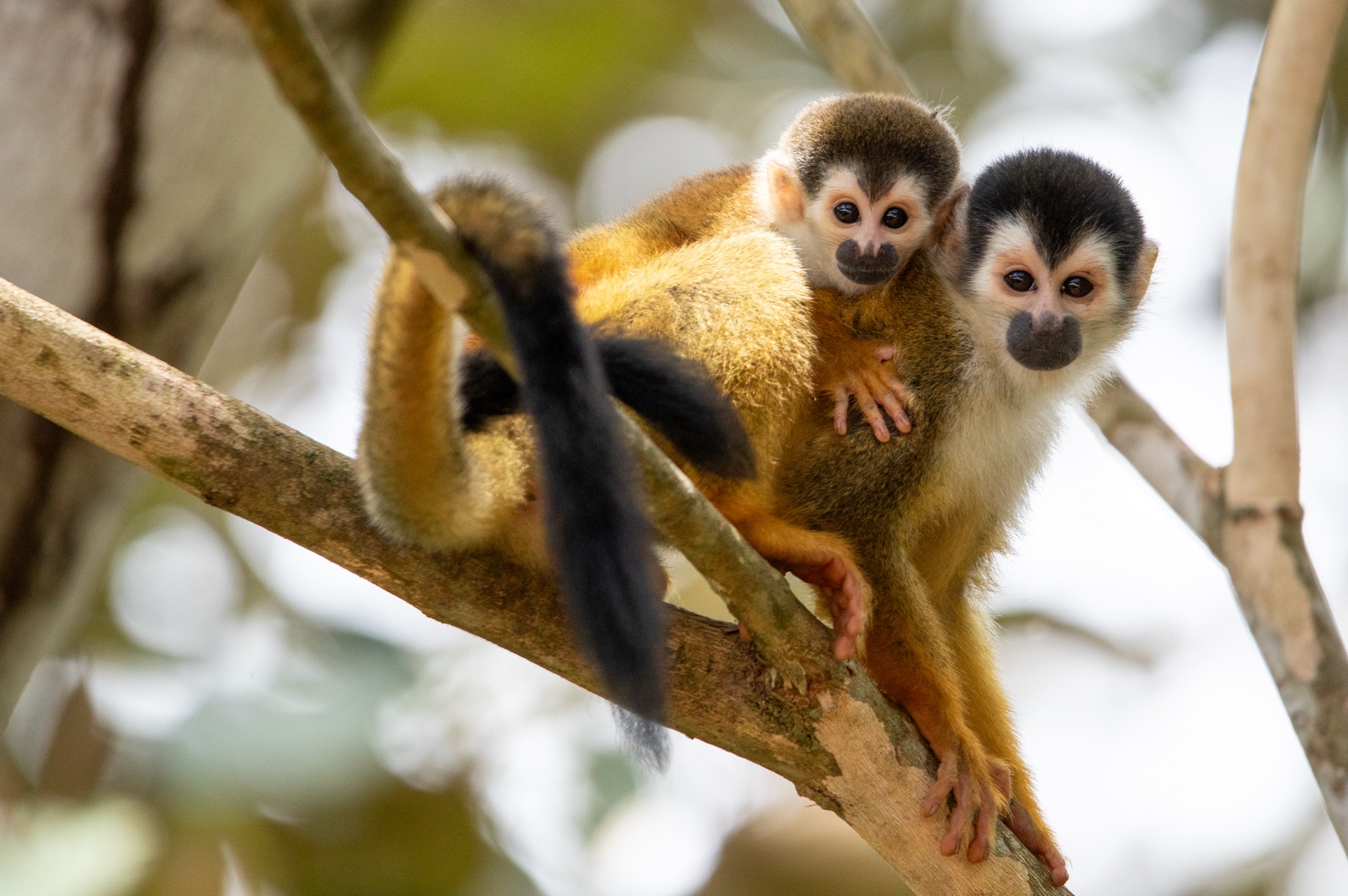
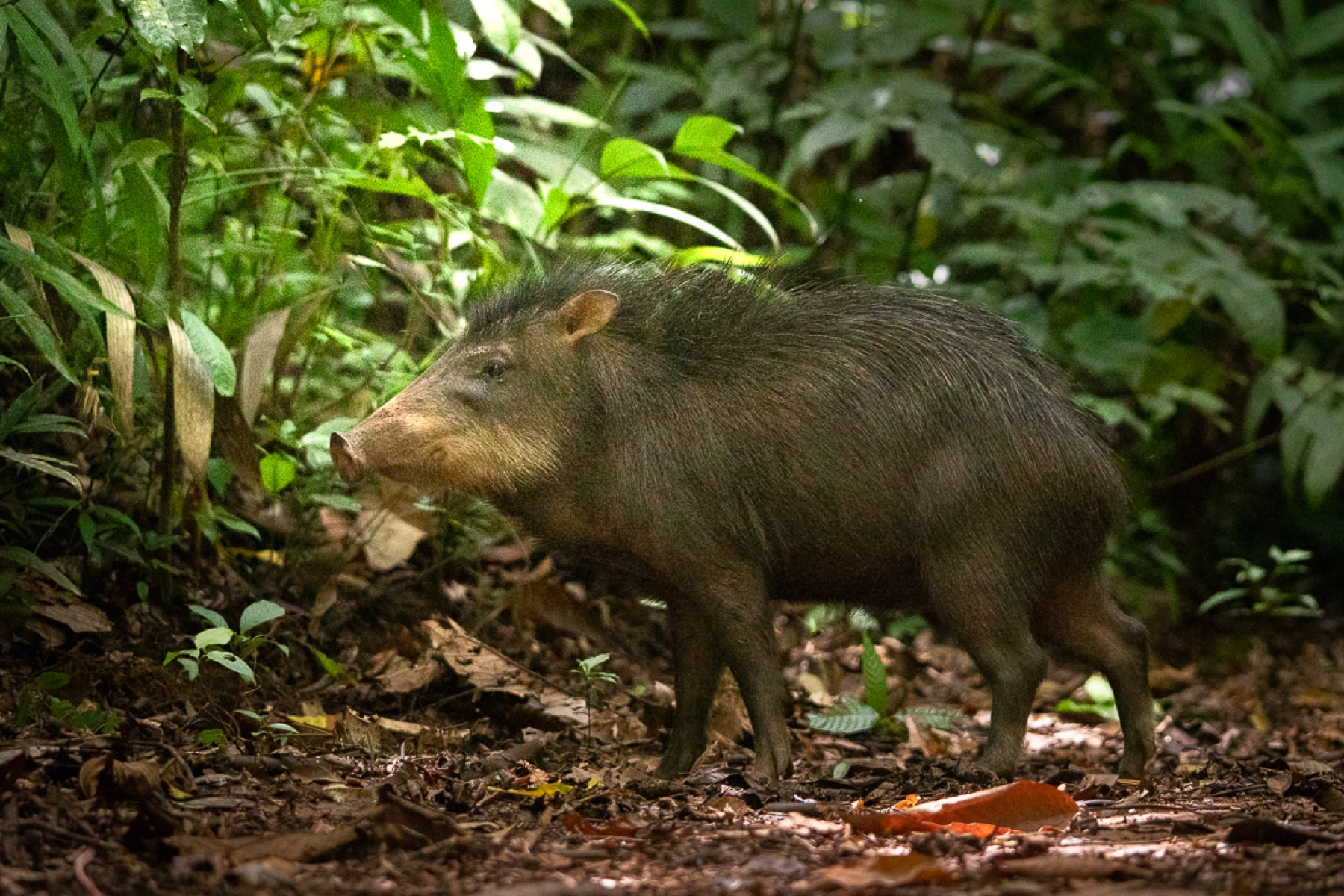
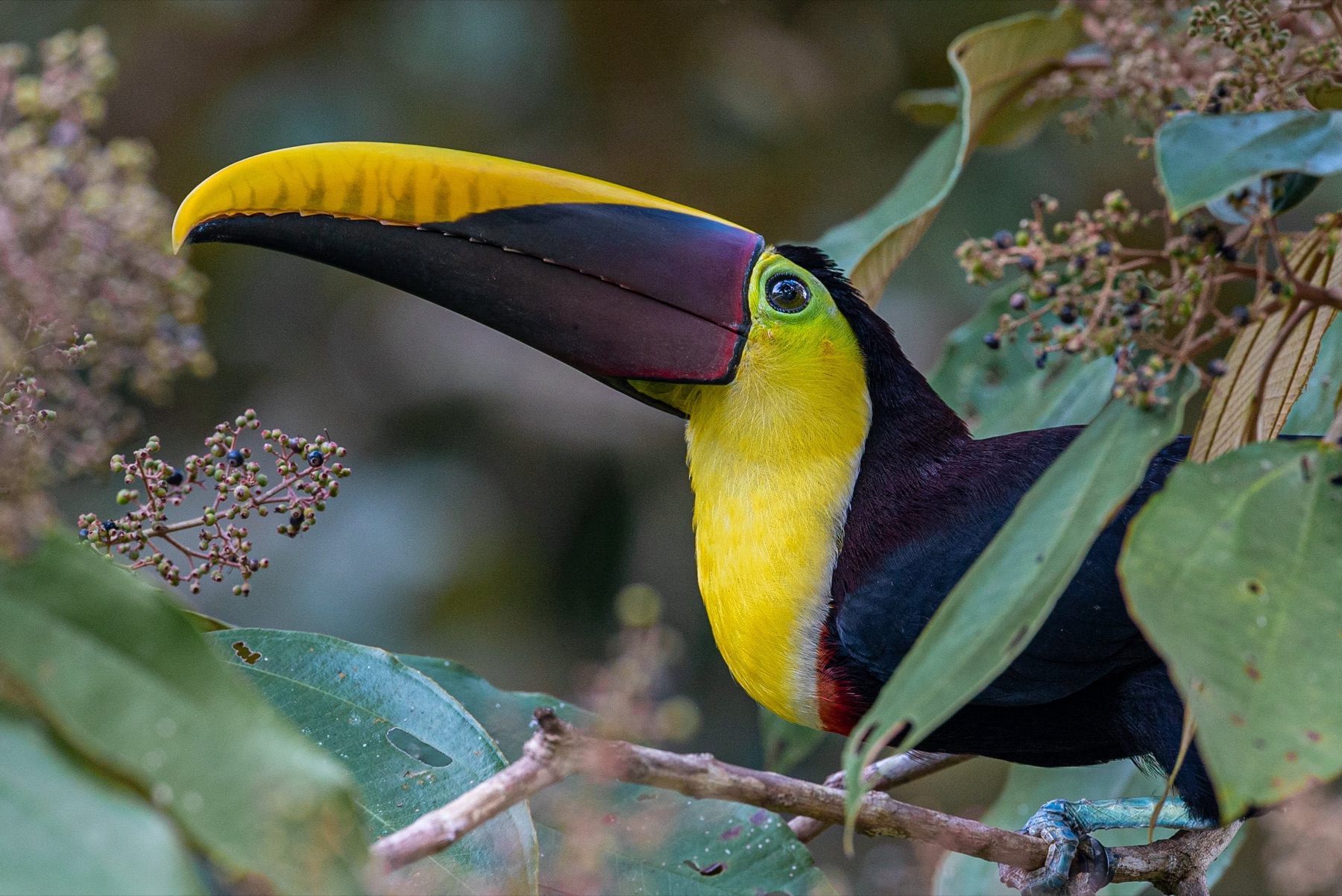
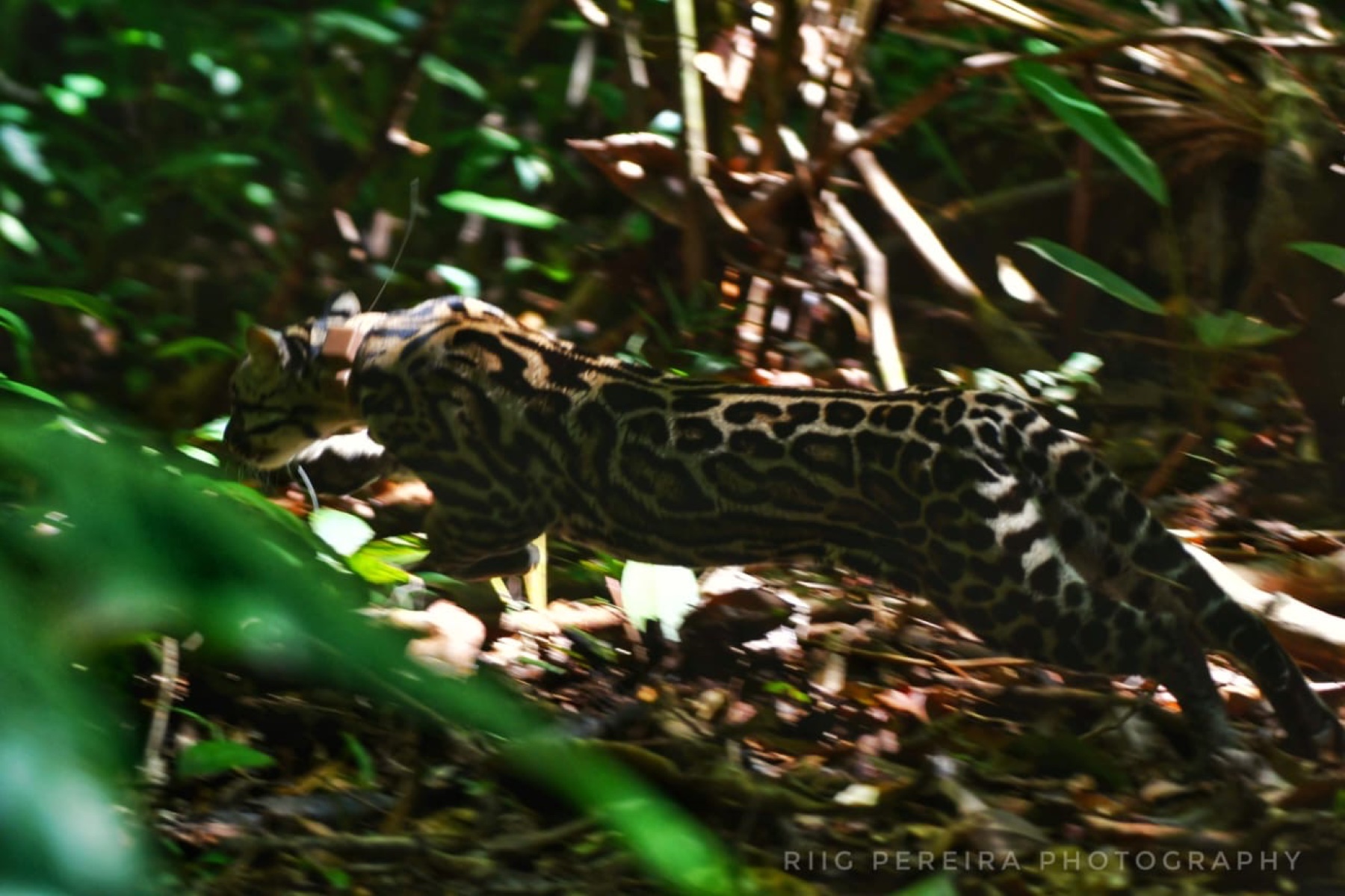
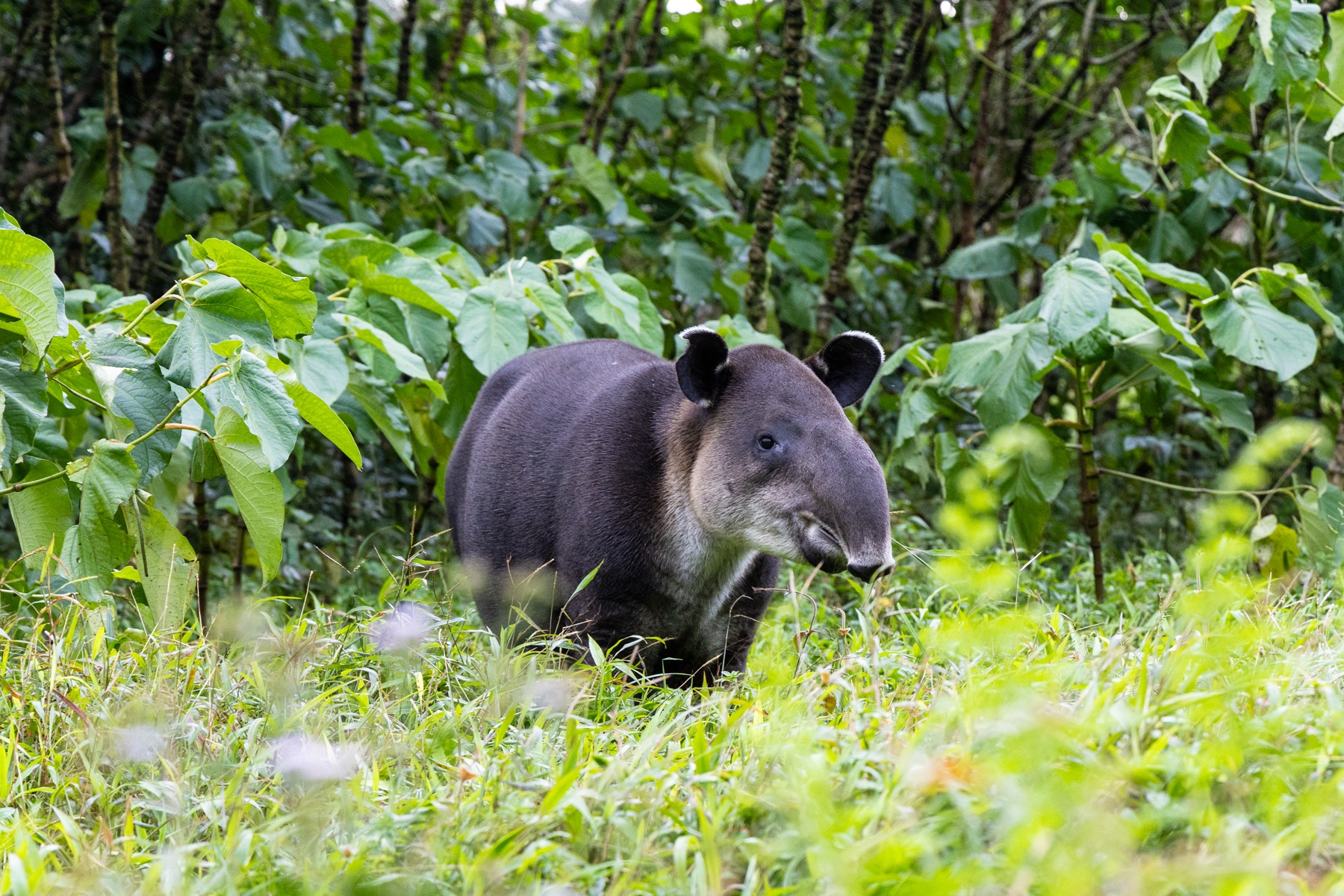
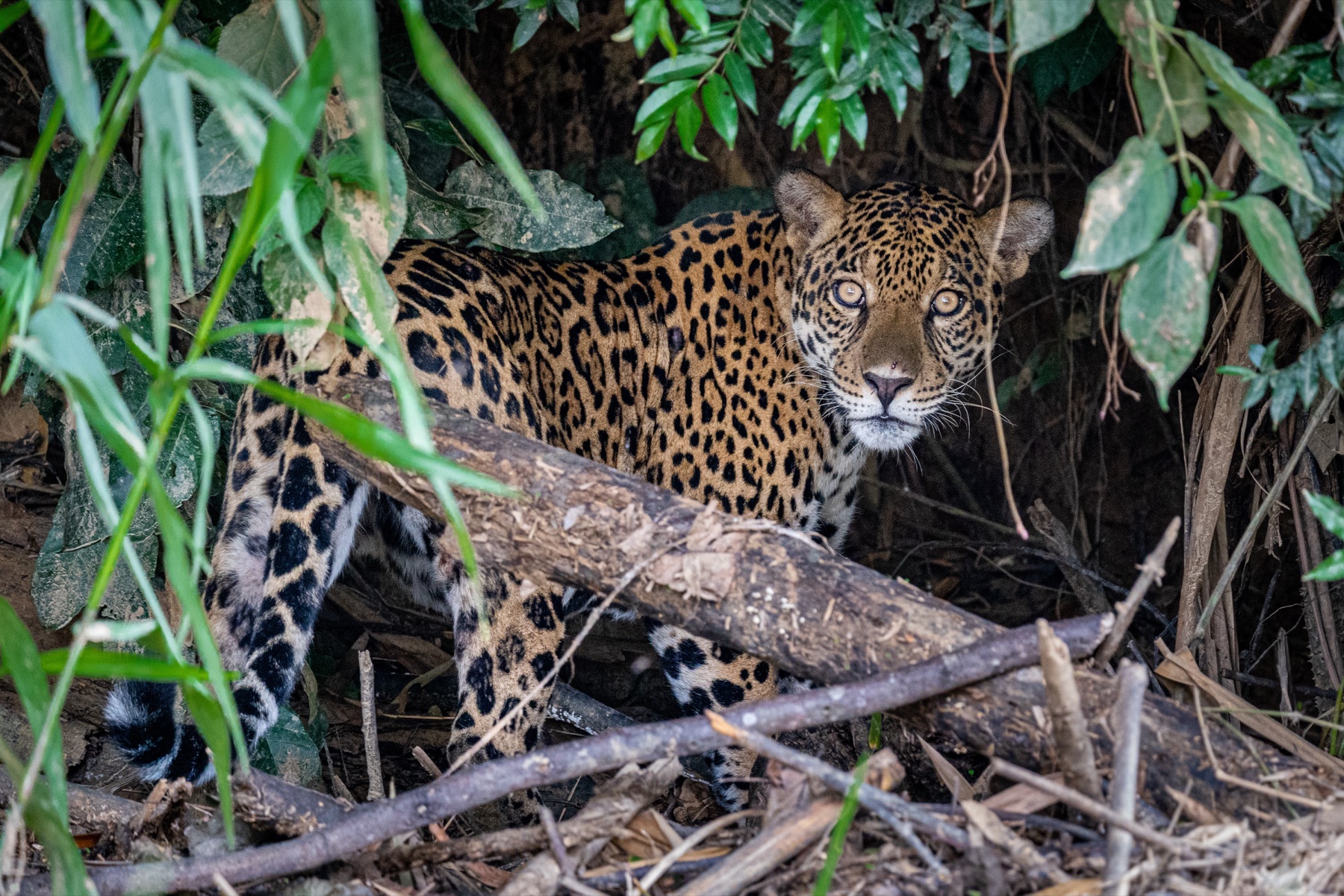
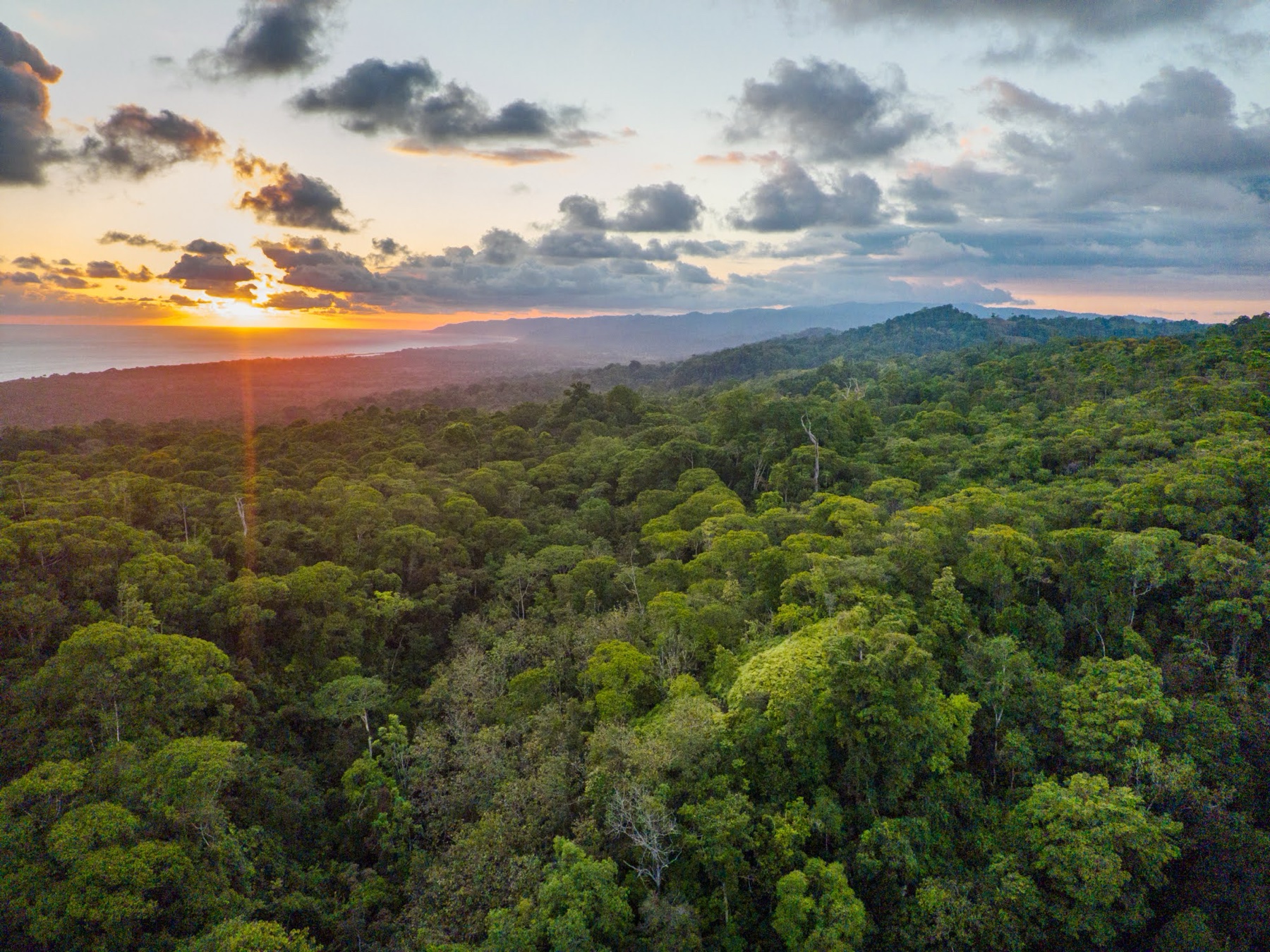
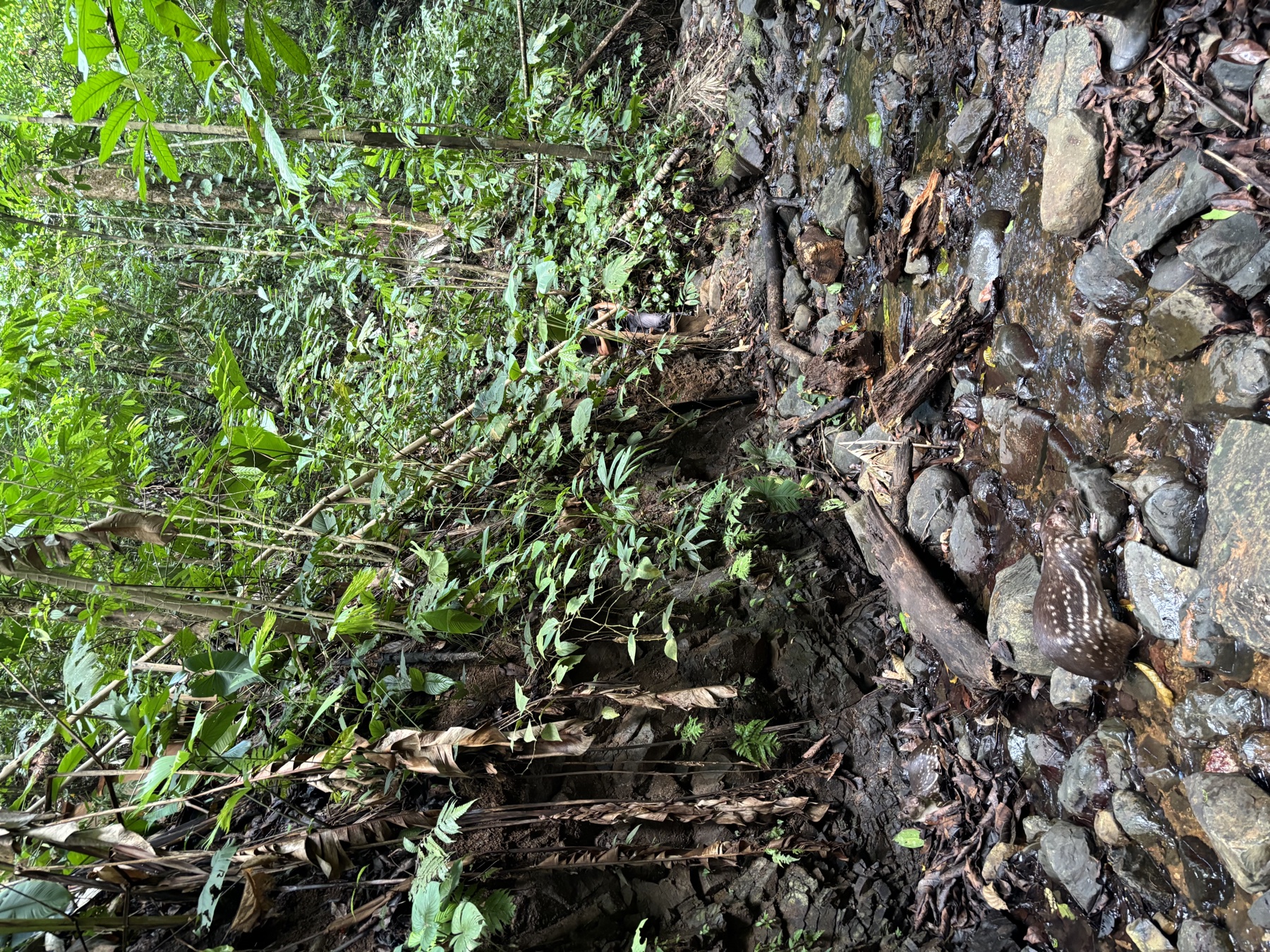
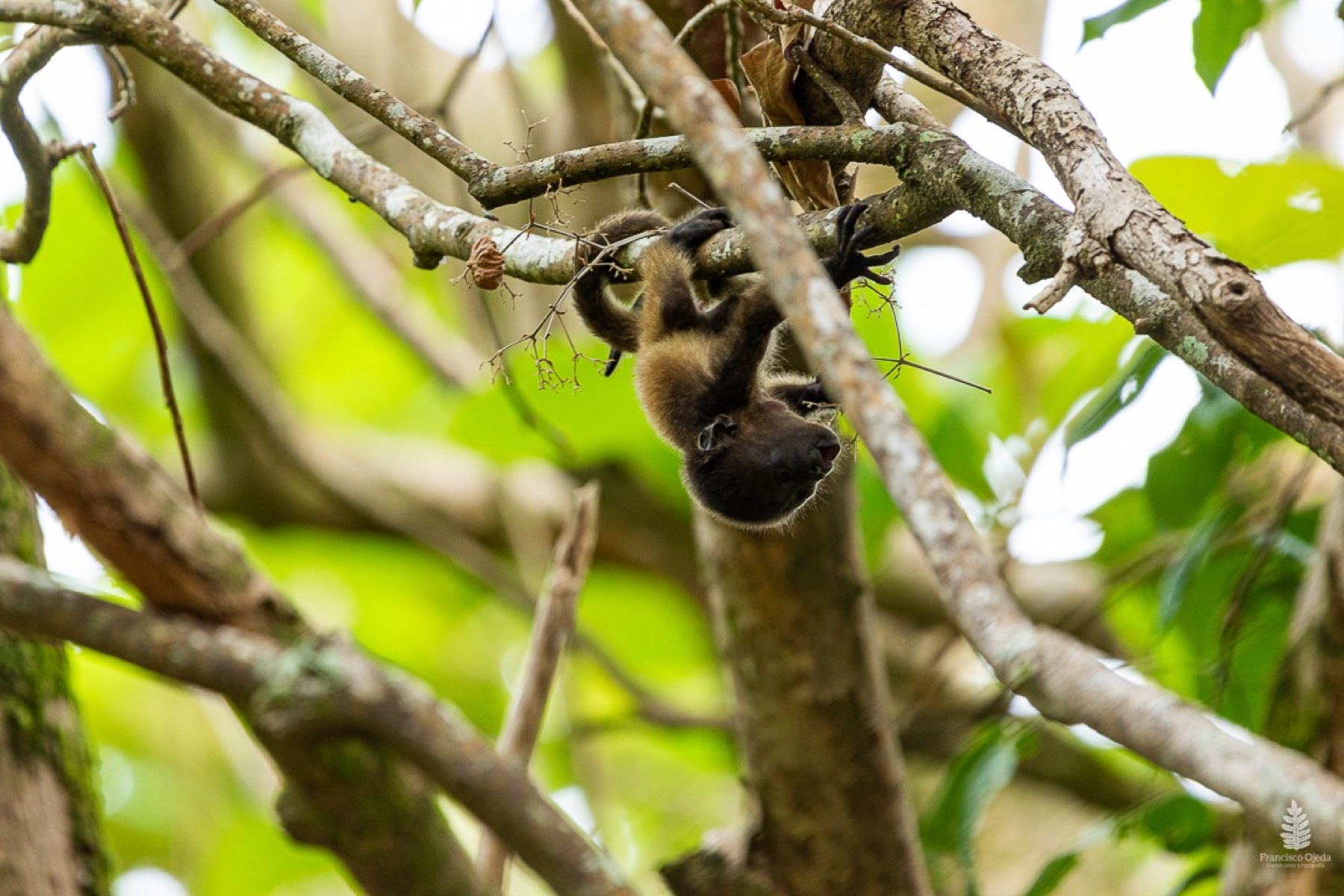
The Osa Peninsula is one of the most extraordinary concentrations of life on Earth. Vast tropical forests run down to wild Pacific beaches and the sheltered waters of the Golfo Dulce, supporting jaguars, pumas, ocelots, tapirs, anteaters, sloths, four species of monkey, scarlet macaws and an astonishing diversity of smaller wildlife.
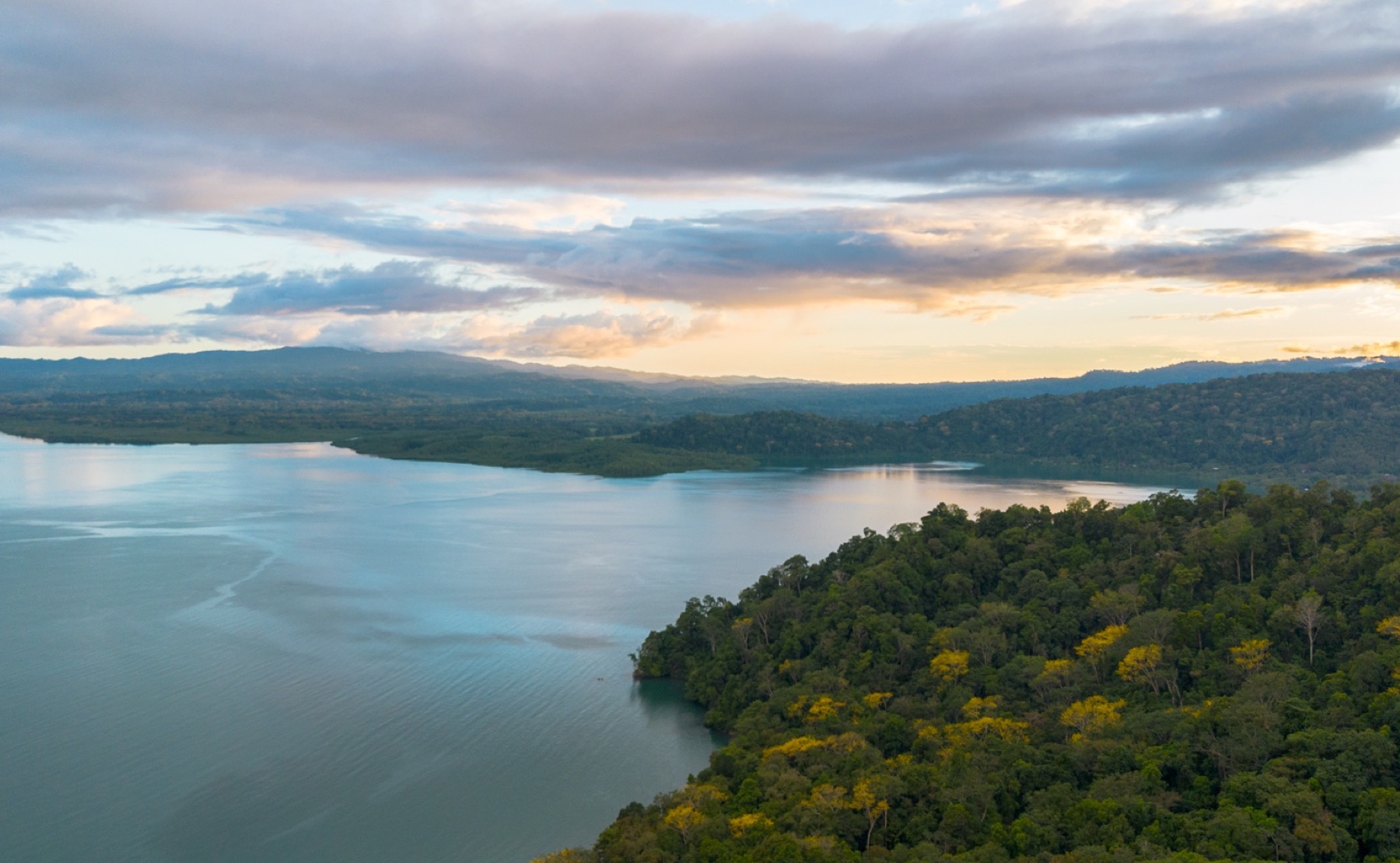
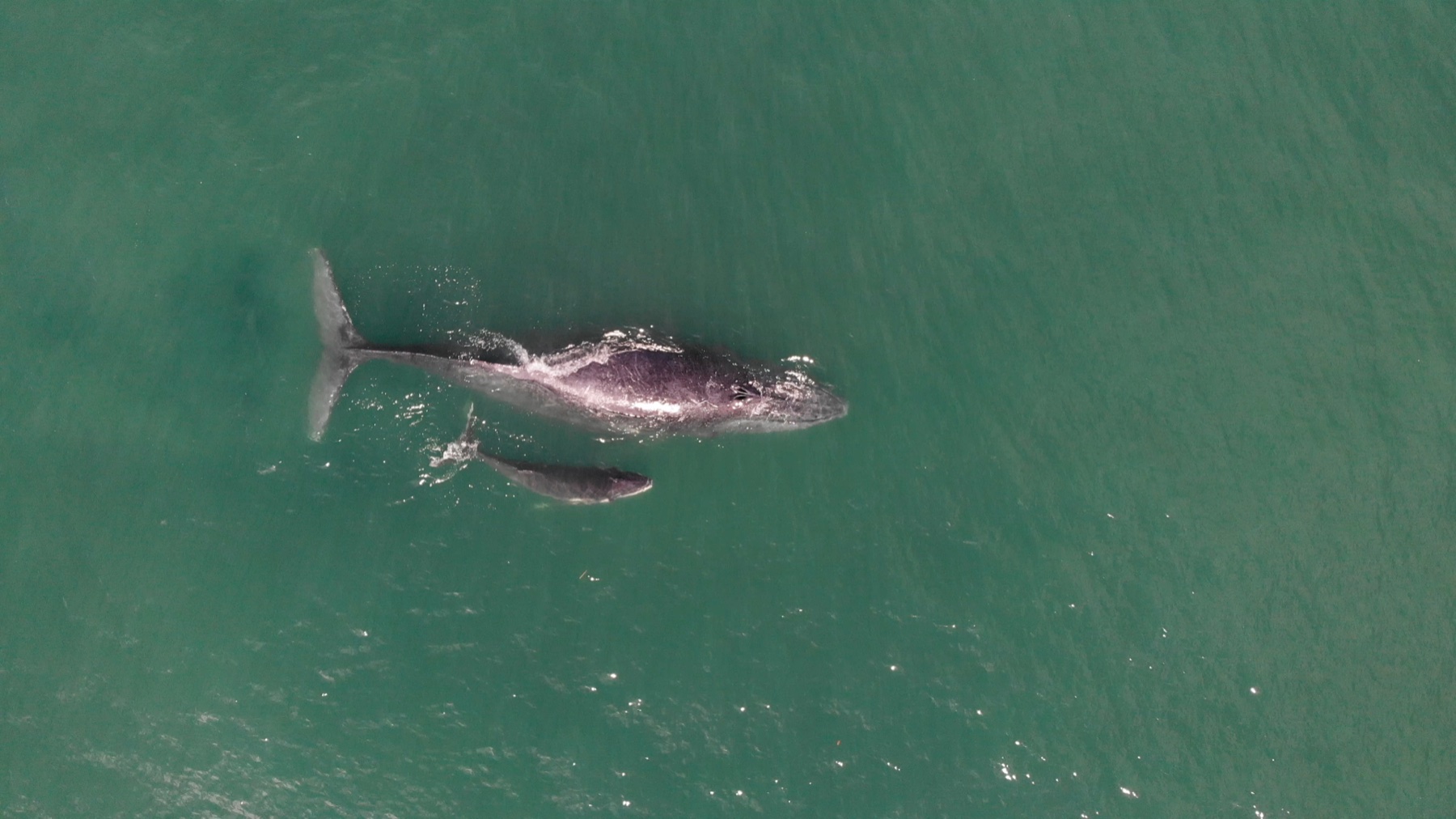
Beside it lies the Golfo Dulce — a deep, tropical fjord-like gulf fringed by rainforest and mangroves. Its rich waters support dolphins, sea turtles, rays, sharks and countless fish, while humpback whales travel here from both the Northern and Southern Hemispheres at different times of year to breed, give birth and raise their calves.
The Osa is a major conservation success story. It contains an extensive network of protected areas, including Corcovado, Piedras Blancas, the Golfo Dulce Forest Reserve and other refuges, and research indicates that some mammal populations are recovering from historical habitat loss and hunting. The Golfo Dulce is a near pristine tropical marine ecosystem.
But Osa’s wildlife still faces pressures where the natural and human worlds meet. Roads, power lines, habitat fragmentation, hunting and trafficking, domestic animals and expanding development can all leave wild animals injured, orphaned or displaced. The Golfo Dulce, although still remarkably pristine, also requires continued protection from pollution, unsustainable exploitation and poorly planned development.
Need to report an animal in distress?
If you’ve found an injured, orphaned or confiscated wild animal in the Osa region, call us directly. The sooner we respond, the better the chance of release.